
The Garden of Morning Calm is an absolutely beautiful garden to visit in Gapyeong, near Nami Island, nestled in the valley amongst the mountains east from Seoul.
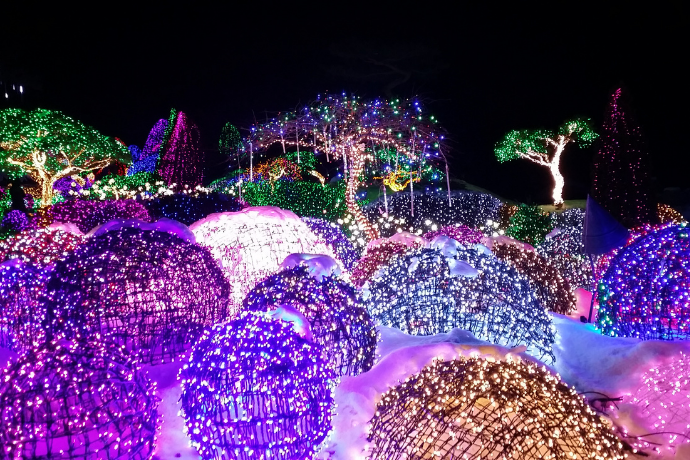
In each season there is something different to see – cherry blossoms in spring and autumn foliage colours. During winter they put on an amazing illumination show which is well worth seeing.
The gardens are extensive with 27 different themed garden areas to explore. Allow at least 2-3 hours to meander through the gardens and enjoy the peaceful atmosphere.
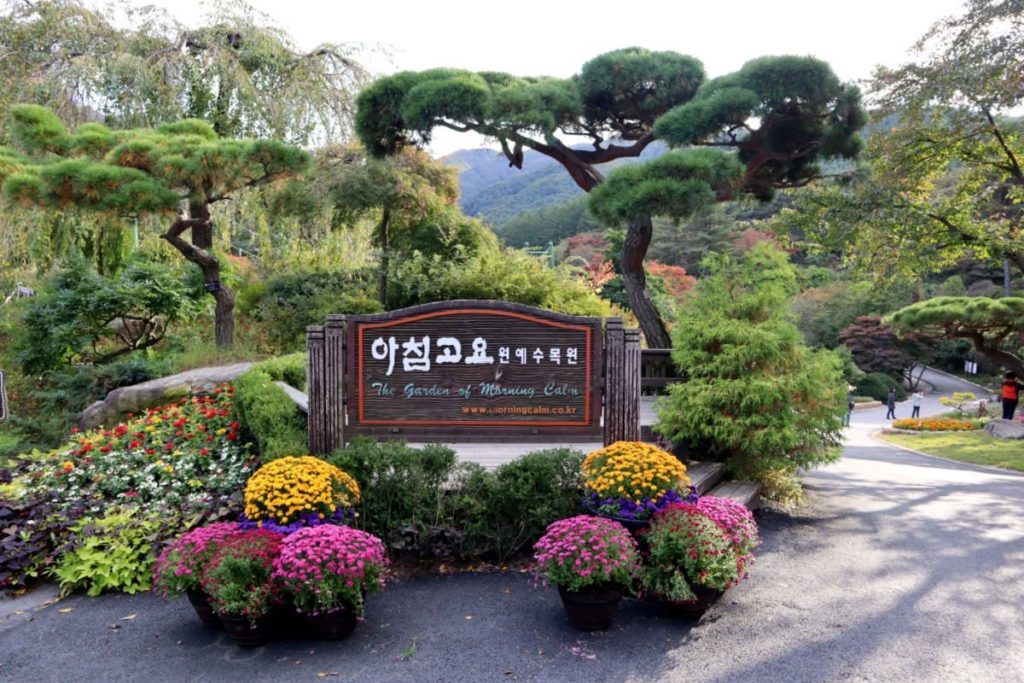
How to Get to The Garden of Morning Calm
The driving distance from Nami Island to the Garden of Morning Calm is 25km / 15 mi / 36 minutes, or you can catch the Gapyeong City Tour Bus via other attractions.
You can also travel from Seoul to Cheongpyeong Station by ITX train and then catch the Gapyeong City Tour Bus or taxi to The Garden of Morning Calm, a distance of 13km / 8 mi or 18 minutes.
Also check out our detailed article on how to get to Gapyeong from Seoul which includes how to get around the Gapyeong area.
Nami Island Day Tours Which Include The Garden of Morning Calm
Many Nami Island day tour options include The Garden of Morning Calm. In winter most tour options are set up to visit The Garden of Morning Calm as the final stop to enable you to visit the winter illuminations in the evening.
Check out the day tour options below to decide which tour will suit you best, and ensure you book early to get your preferred tour option.
- Check out the Nami Island Combo Tour booking options through Klook, Get Your Guide, Viator and Trazy.
- Check out the Nami Island Private Tour booking options through Klook, Get Your Guide and Viator.
- Check out the Nami Island, Alpaca Pasture and Garden of Morning Calm Tour booking options through Klook and Viator.
What to See in The Garden of Morning Calm
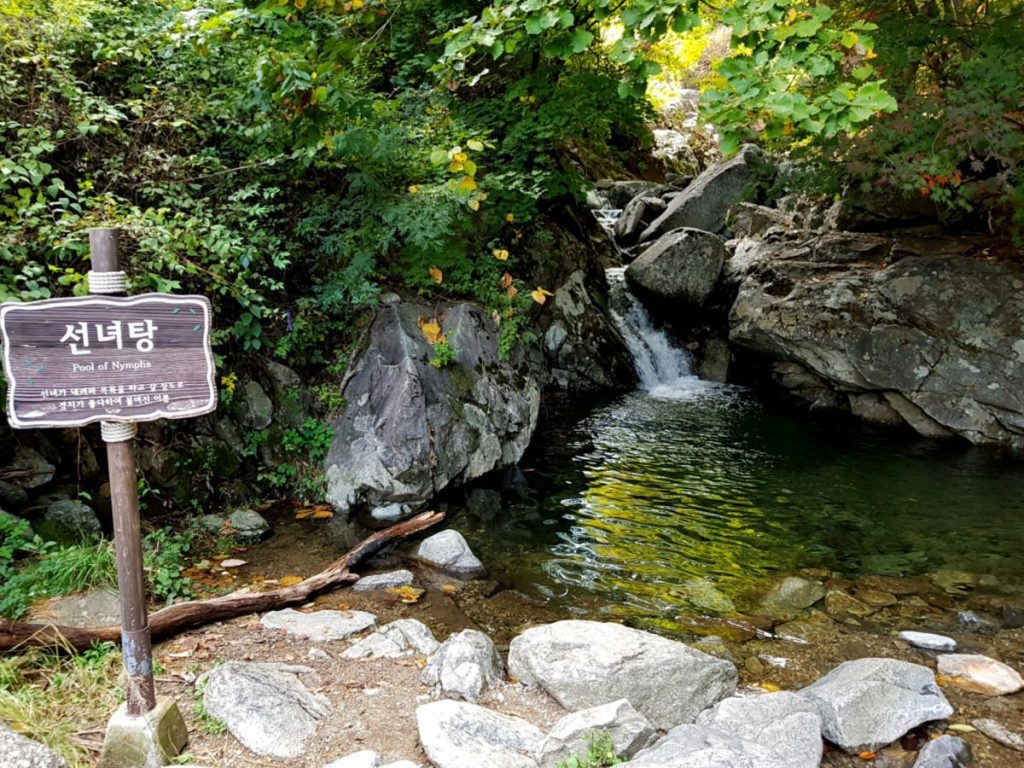
When we visited we only had limited time available so we started by crossing the suspension bridge, and then headed toward Nymph Valley.
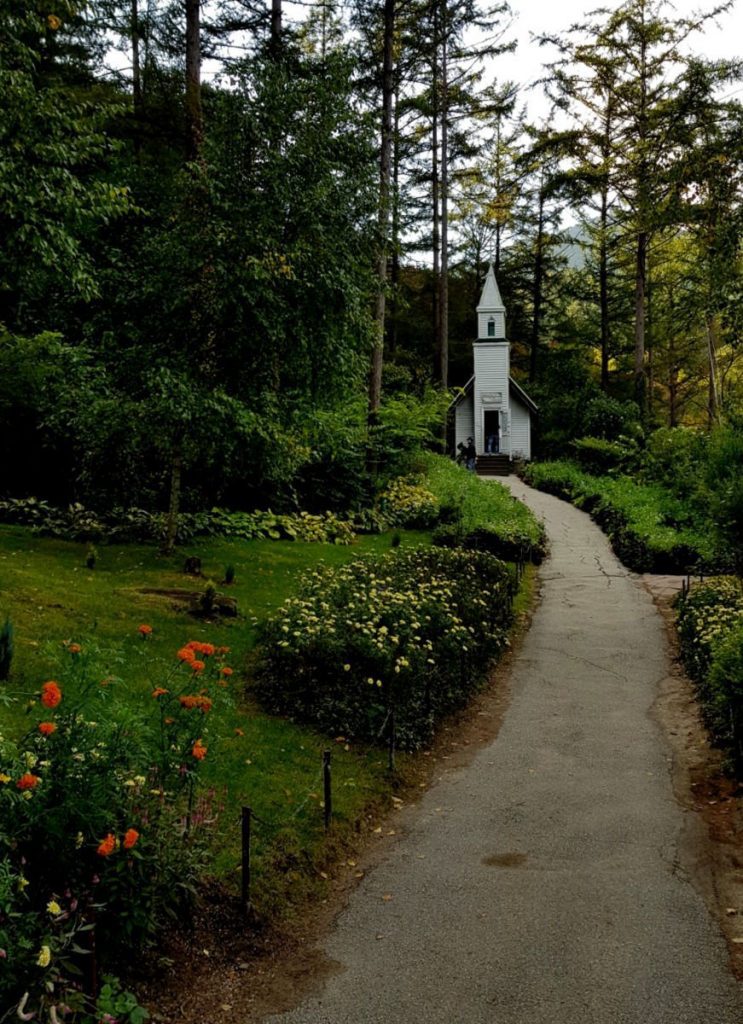
We then explored the lovely chapel in the Moonlight Garden, before heading for the Korean Garden, with amazing views over the Sunken Garden along the way.
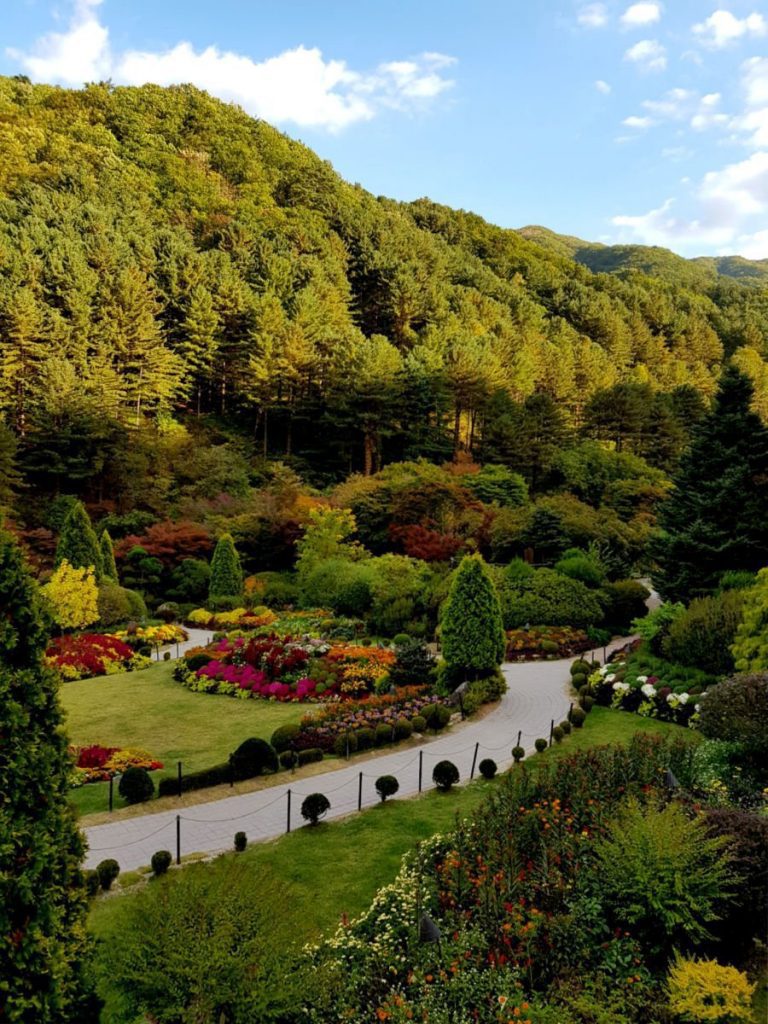
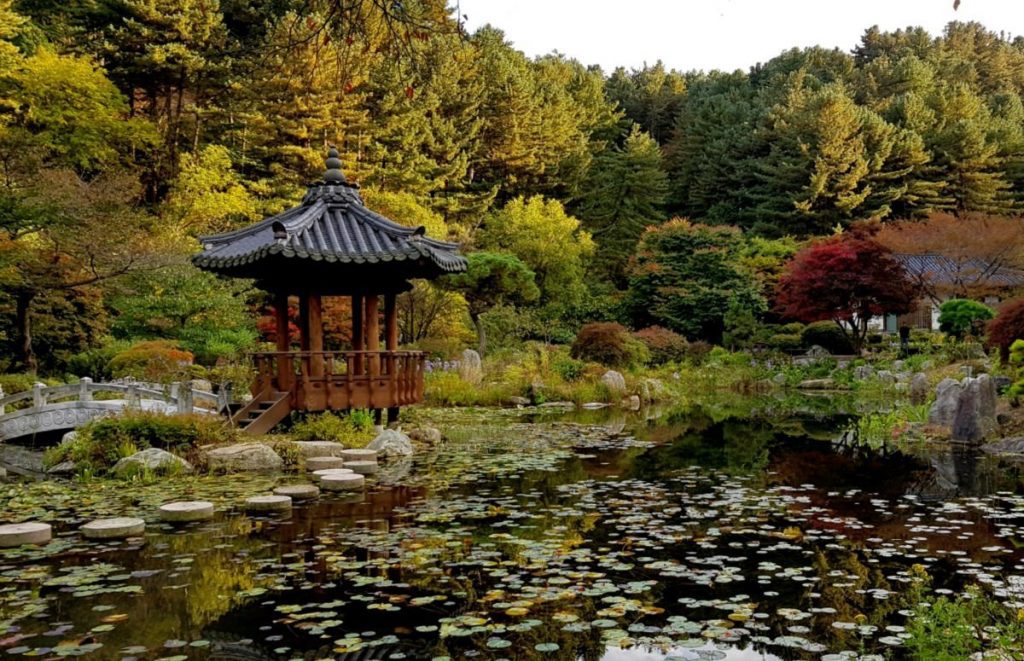
After exploring the teahouse and Pond Garden we walked through the Sunken Garden and visited the amazing Millenium Juniper.
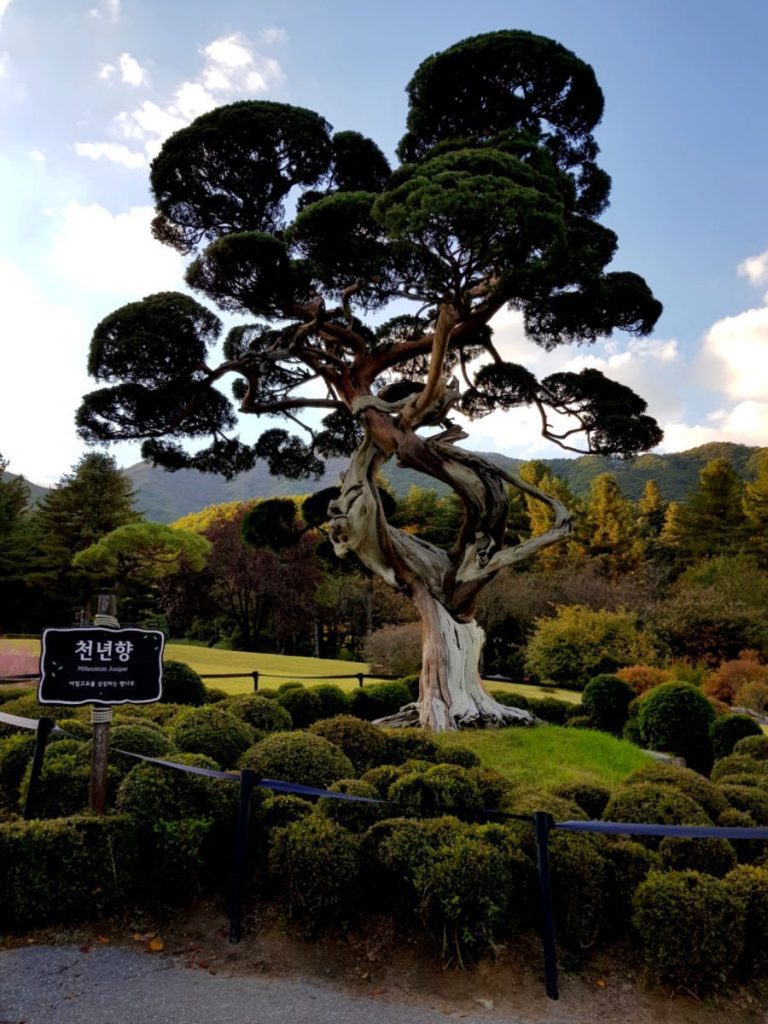
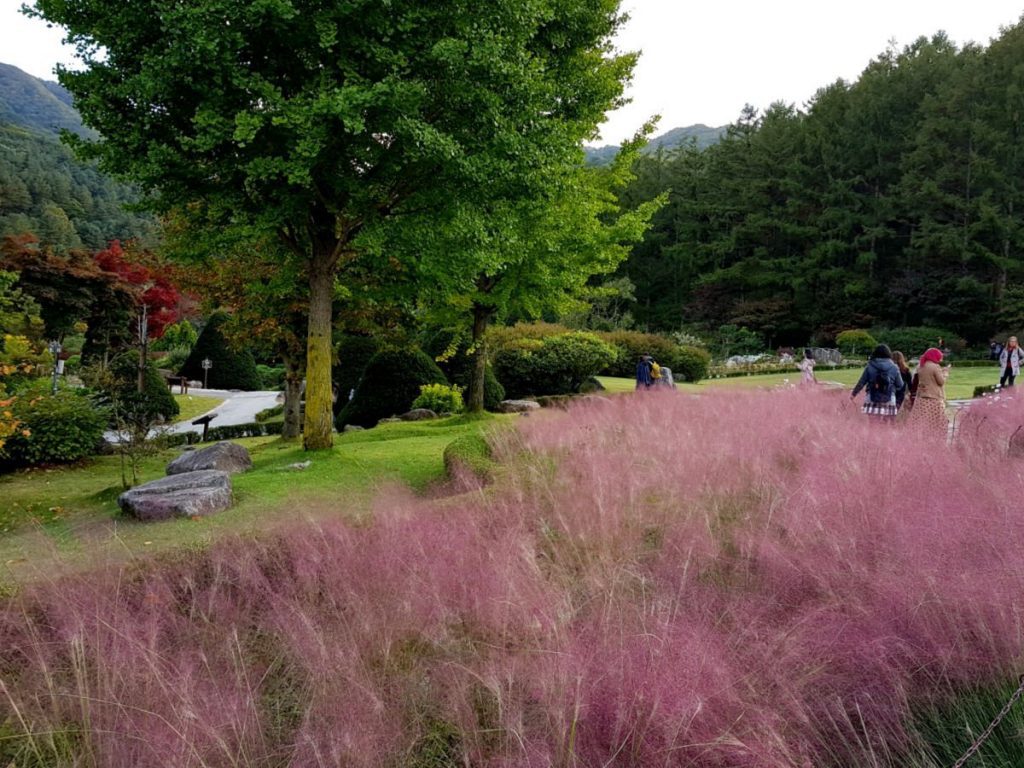
We really enjoyed our walk through the Garden of Morning Calm and could easily have stayed there for another couple of hours to further explore at leisure.
Check out our detailed Nami Island Articles below to Plan Your Visit
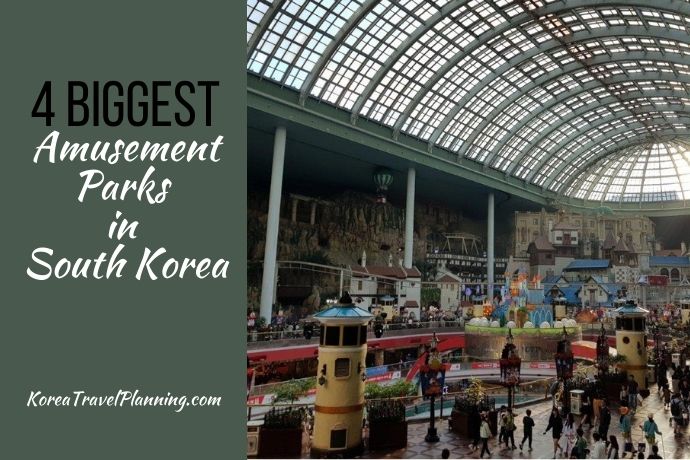
4 Biggest Amusement Parks in Korea
A great way to experience unique Korean culture is to visit one of the four…

Ultimate Guide to Transportation in Korea for Tourists [2024]
When you first start planning your visit to South Korea, a common question is what…
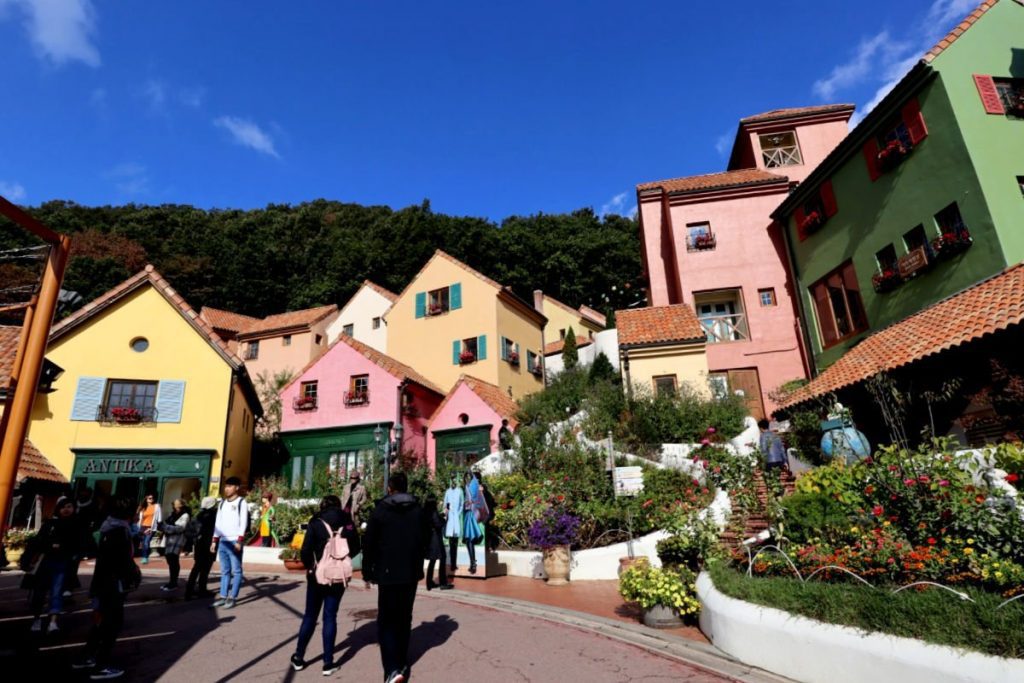
Plan Your Visit to Petite France near Seoul
Petite France in Korea is a fun French themed location to visit in Gapyeong. You…

Plan Your Visit to the Gapyeong Rail Bikes near Seoul
The experience of a Korean rail bike is unique in the world – you get…
Plan Your Visit to The Garden of Morning Calm Korea
The Garden of Morning Calm is an absolutely beautiful garden to visit in Gapyeong, near…
What to do in Gapyeong (near Nami Island)
Near Nami Island in Gapyeong there are some great additional attractions and activities to visit,…
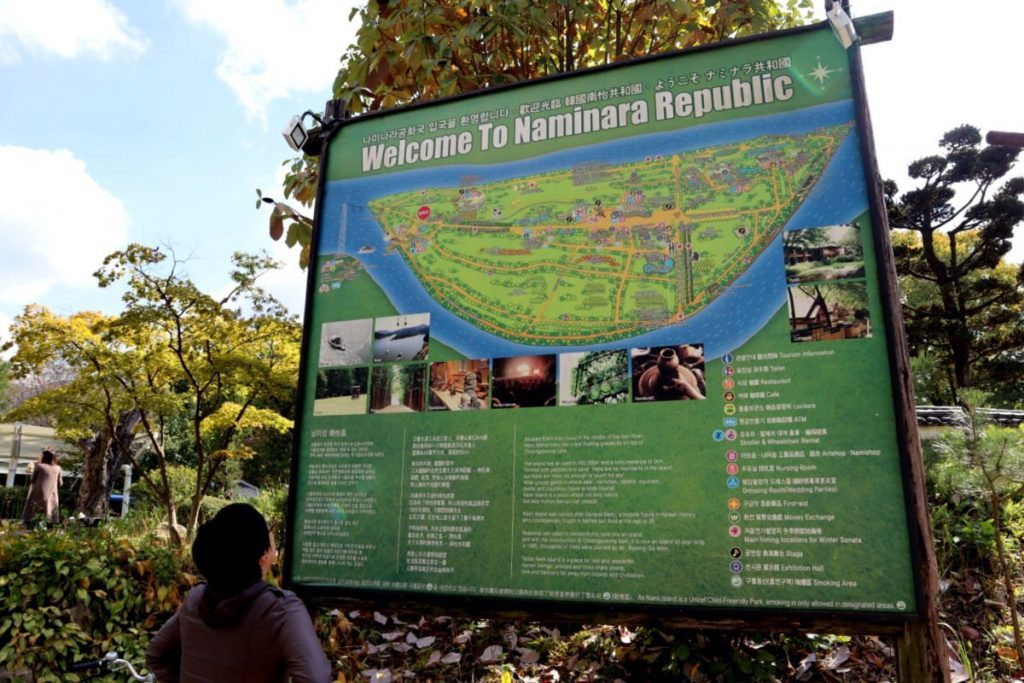
What to Do on Nami Island
Nami Island (otherwise known as Naminara or Namiseom) is quite a large island which is…
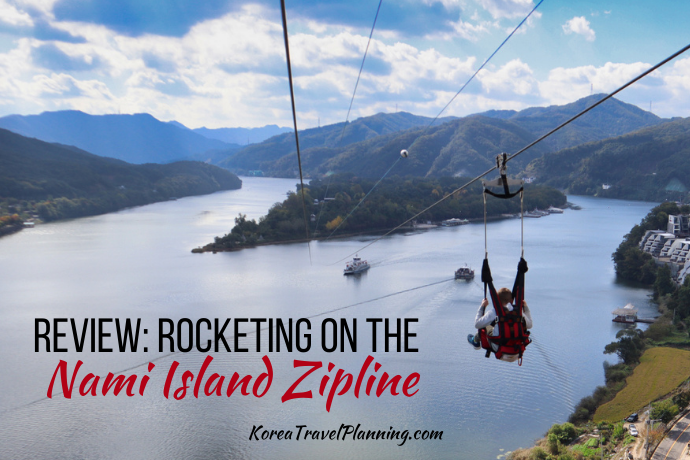
Review: Rocketing on the Nami Island Zipline
One of the items on our bucket list for our trip to South Korea was…
How to Get from Seoul to Nami Island for Tourists [2024]
Visiting Nami Island is one of the most popular day trips from Seoul and rightfully…

Ultimate Guide to Nami Island Tours from Seoul [2024]
Visiting Nami Island is one of the most popular day tours from Seoul and rightfully…
Don’t miss out on the opportunity to make your trip planning easy, hassle-free and organized. Click here to download your FREE printable checklist, to help you to plan your trip step by step and tick off items as you finalise your preparations.
Join the South Korea Travel Planning Facebook Group
You are also welcome to join our South Korea Travel Planning Facebook Group – it is a great resource to enable you to ask questions about your upcoming trip to South Korea!

Disclaimer: This article contains affiliate links. If you book after clicking on one of these links then we may receive a small commission at no extra cost to you.
Anne Sutherland-Smith is a seasoned travel writer and a passionate explorer of South Korea’s vibrant culture, history, and landscapes. With decades of travel experience, Anne deeply understands what makes Korea a unique and captivating destination for travelers worldwide. As the lead author for koreatravelplanning.com, Anne’s work is based on thorough research and firsthand experiences. Her insights are regularly sought after in the travel community, and she has been featured in various travel forums and publications. Her expertise extends to Korean destinations, transportation, cuisine and the latest trends in Seoul’s bustling city life.
Dedicated to providing reliable and practical travel advice, Anne ensures that every piece of content on koreatravelplanning.com is accurate, up-to-date, and useful for travelers at every stage of their journey. Her commitment to authenticity and her personal experiences traveling across Korea make her a trusted voice in the travel community.
Follow Anne’s adventures and get valuable Korea travel tips on koreatravelplanning.com and through her social media channels. Whether you’re planning your first trip to Korea or looking to explore deeper, Anne’s insights will be your invaluable guide.